
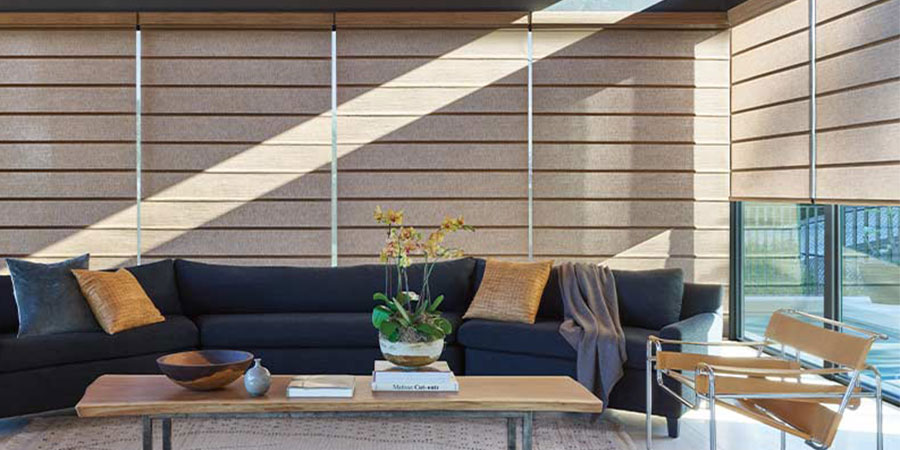
Natural light changes throughout the day—and so should the way you manage it. The direction your windows face has a major impact on sunlight, heat, glare, and privacy. While east- and west-facing windows often get the most attention, every window orientation creates its own opportunities and challenges.
Understanding how sunlight moves through your home helps you choose window treatments that create comfortable, balanced light from morning through evening.
East-Facing Windows: Bright Mornings
East-facing windows welcome beautiful morning sunshine. In bedrooms, however, that same light can mean waking earlier than you’d like. In living spaces, it can create bright, energizing mornings before softening later in the day.
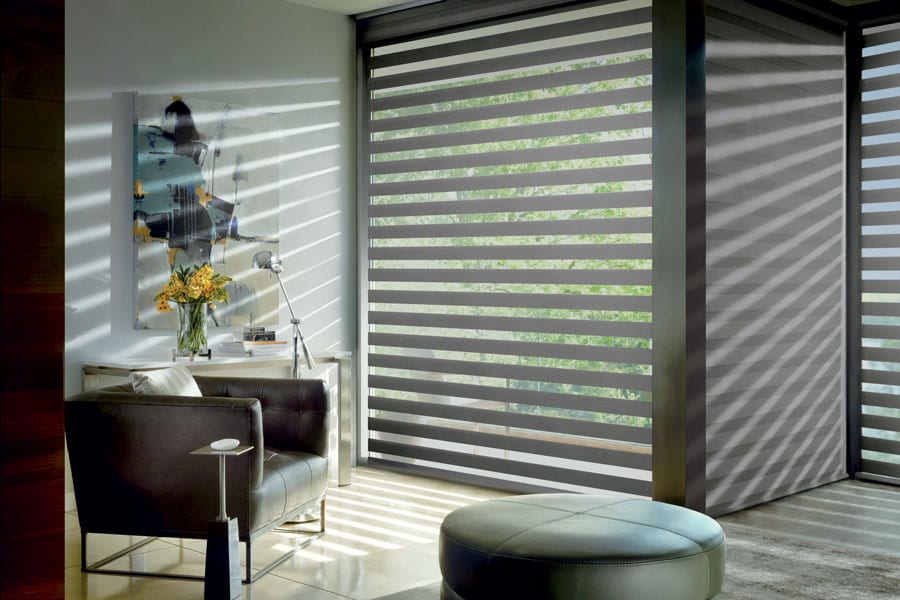
For bedrooms, room darkening fabrics and automation can help create a better sleep environment. In family rooms and kitchens, light filtering shades soften the morning sun while maintaining a bright atmosphere. If early sunlight is your biggest challenge, explore our guide to morning sunshine in the bedroom.
West-Facing Windows: Afternoon Heat & Evening Glare
West-facing windows often create the greatest challenge in Houston homes. Afternoon sunshine brings intense heat, bright glare, and direct sunlight right when families are using their living spaces most.
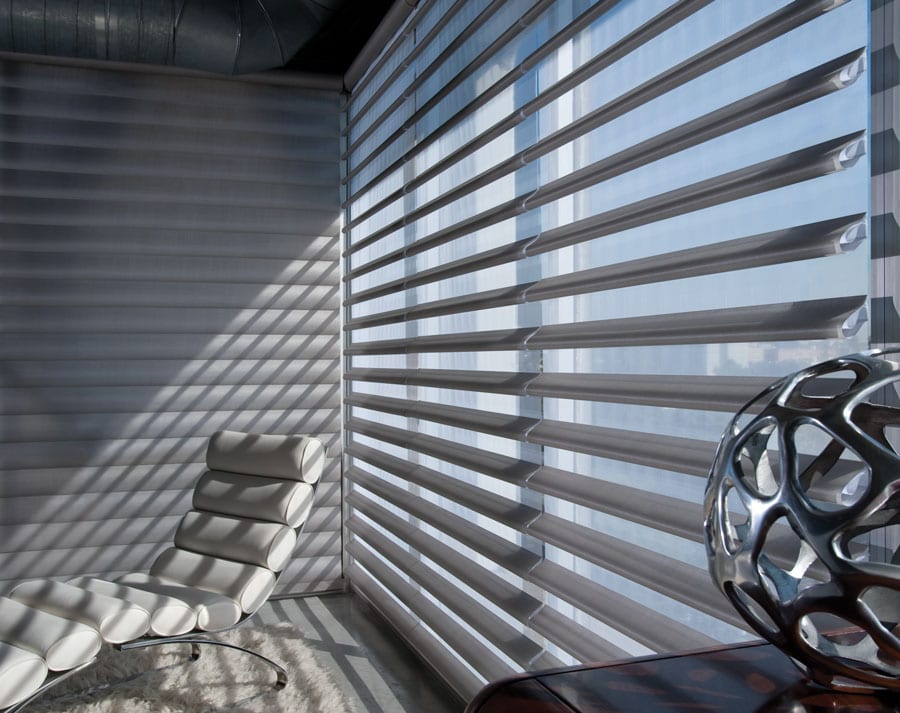
Many homeowners choose motorized shades so their window treatments automatically adjust as the afternoon sun moves across the sky. This allows you to enjoy natural light in the morning while reducing glare and heat later in the day.
South-Facing Windows: Consistent Sunshine
South-facing windows receive abundant daylight throughout the day. While this creates bright, welcoming interiors, it can also increase indoor temperatures and UV exposure.
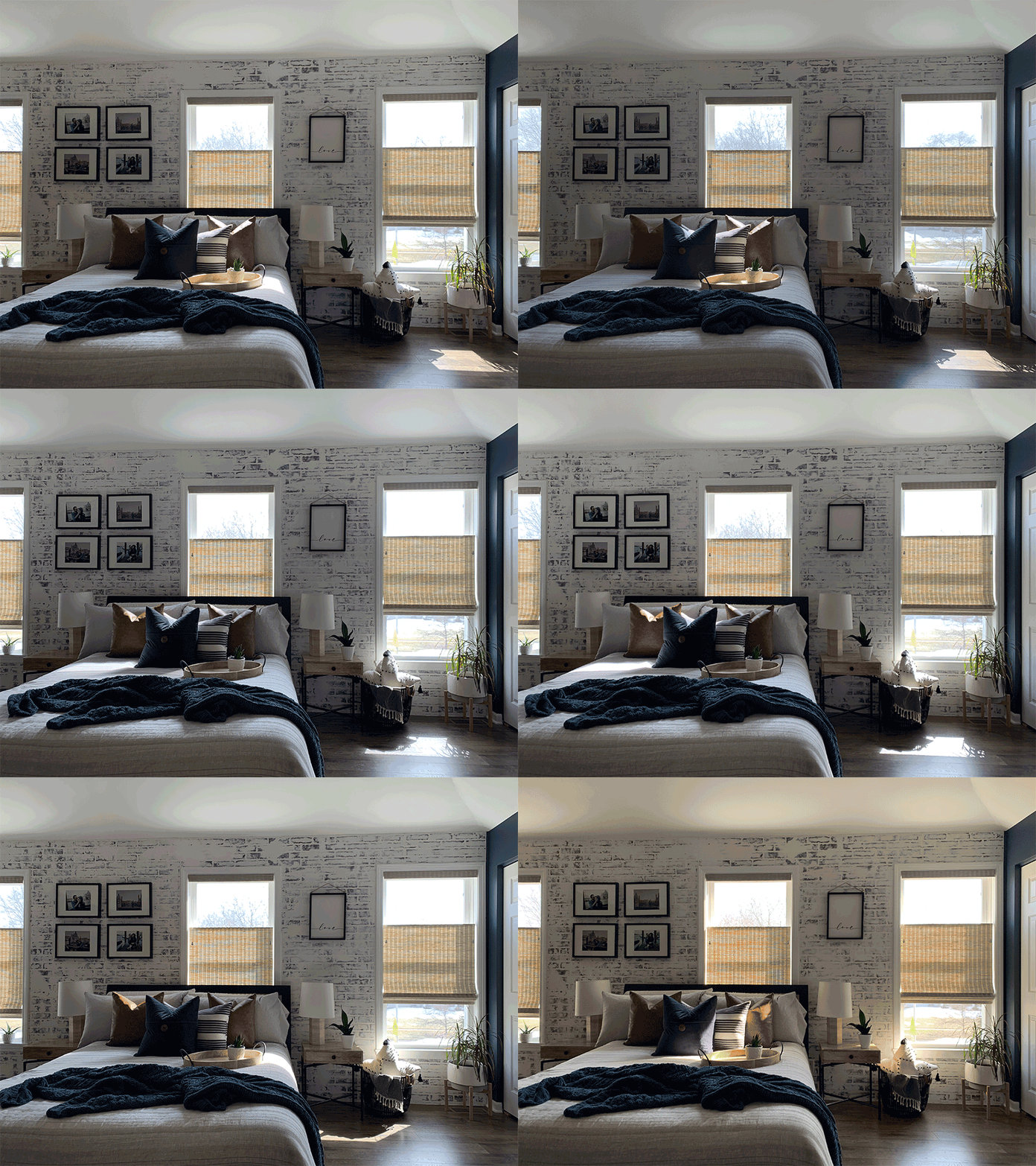
One of the most popular solutions is top down bottom up shades, which allow sunlight to enter across the ceiling while helping reduce glare and direct heat. Pairing this feature with energy efficient window treatments can also improve comfort throughout the year.
North-Facing Windows: Soft Light, Less Heat
North-facing windows typically provide the most consistent natural light with very little direct sunlight. While they stay cooler than other exposures, they can still create screen glare and bright reflections throughout the day.
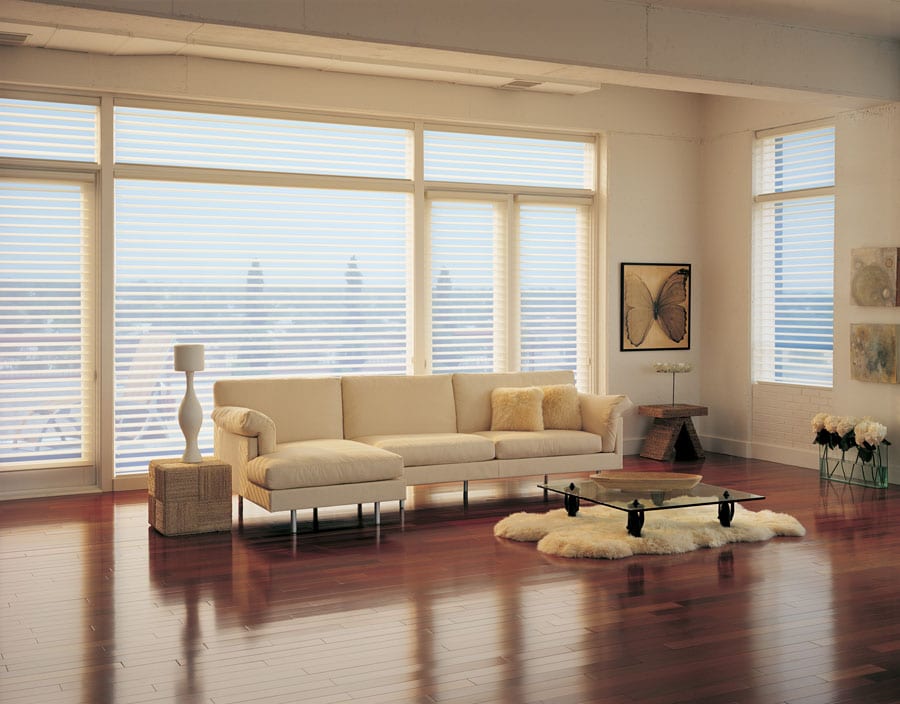
Sheer window shades help diffuse incoming daylight while preserving outdoor views and protecting interiors from UV exposure, creating a bright but comfortable environment.
When One Room Faces Multiple Directions
Many Houston homes feature open floor plans with windows facing two—or even three—different directions. One side of the room may need glare protection while another benefits from additional daylight.
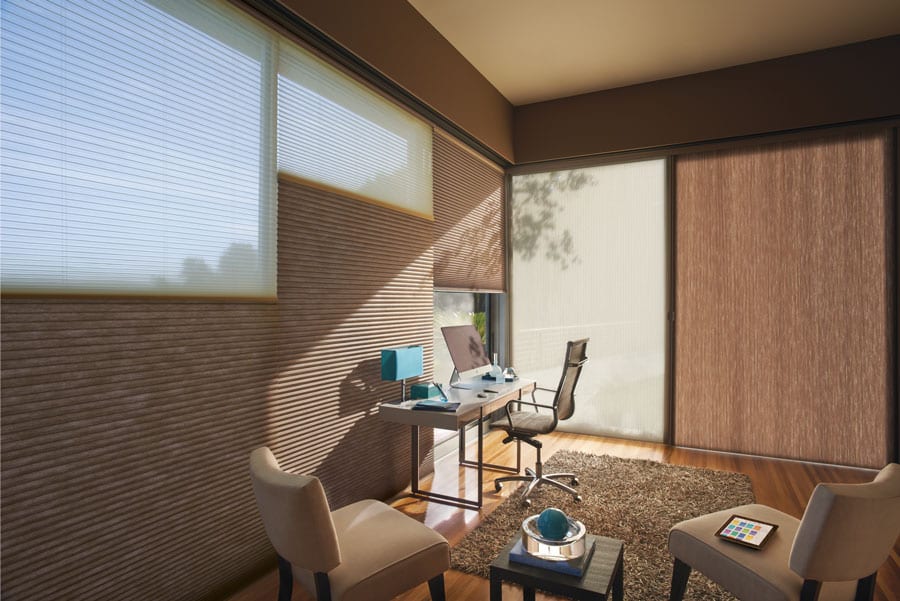
This is where Dual Shades become especially valuable. Different windows can be adjusted independently, allowing you to soften bright sunlight on one side of the room while preserving daylight and views on another.
Balance Light Throughout the Day
The goal isn’t to block natural light—it’s to control it. By understanding how each window orientation affects your home, you can create comfortable spaces that adapt throughout the day instead of fighting against the sun.
Our designers help homeowners evaluate window direction, room usage, and daily routines to recommend solutions that balance natural light, privacy, comfort, and energy efficiency. Schedule your free consultation to discover the best window treatments for your Houston home.
