
 Insulating Window Treatments for Houston Homes
Houston’s intense temperatures can make windows an important part of your home’s overall comfort. Direct sunlight can warm floors, furnishings and other surfaces inside the room, while heat can also move through the window itself. Insulating window treatments can help by adding a layer at the glass, managing incoming sunlight—or, depending on the style, doing both.
At Creative Blinds, we’ll help you choose energy-efficient window treatments based on your windows, the amount of sunlight your home receives and the way you use each space.
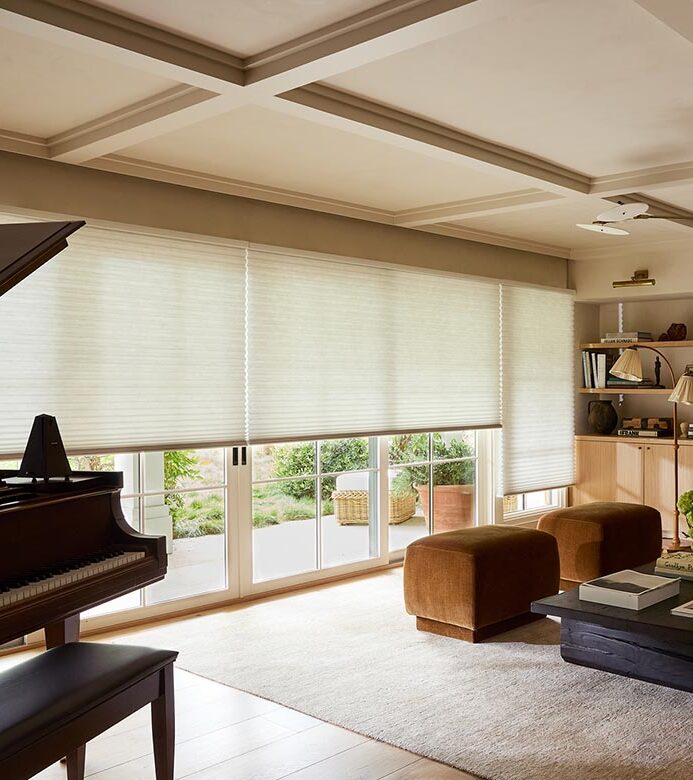 Duette® Honeycomb Shades


Protect Your Houston Home with Energy Efficient Window Treatments
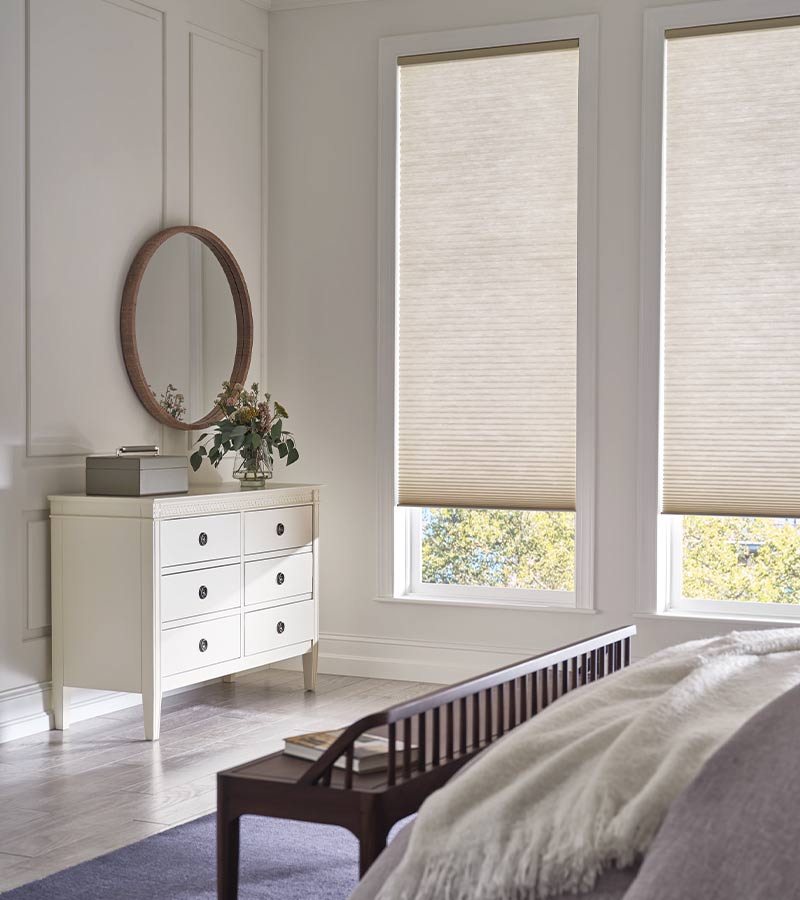
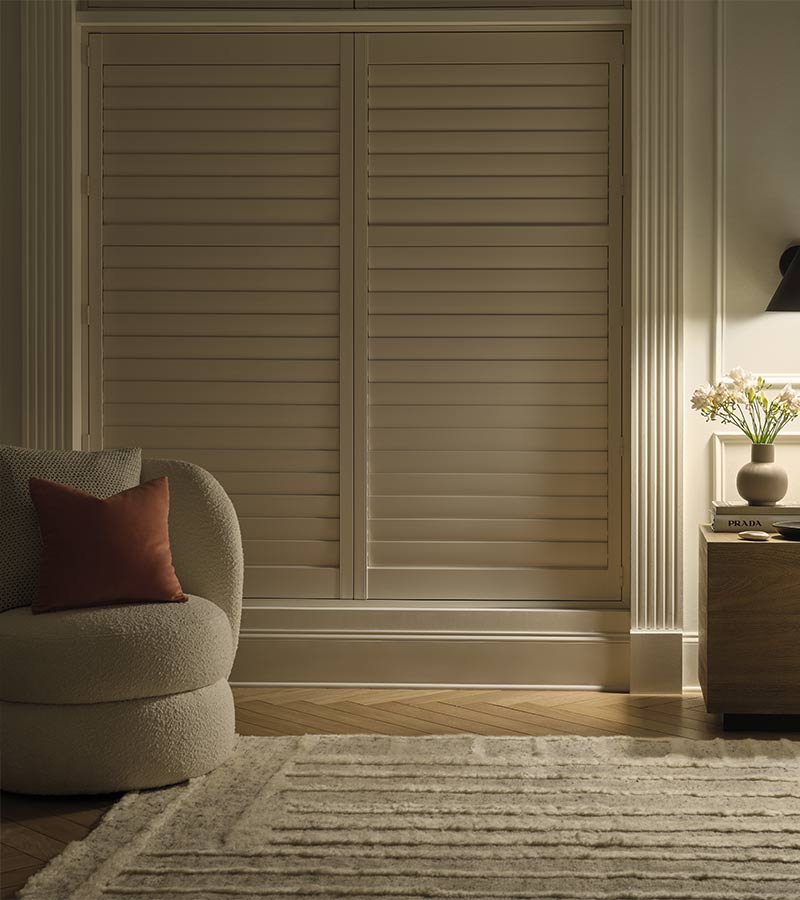
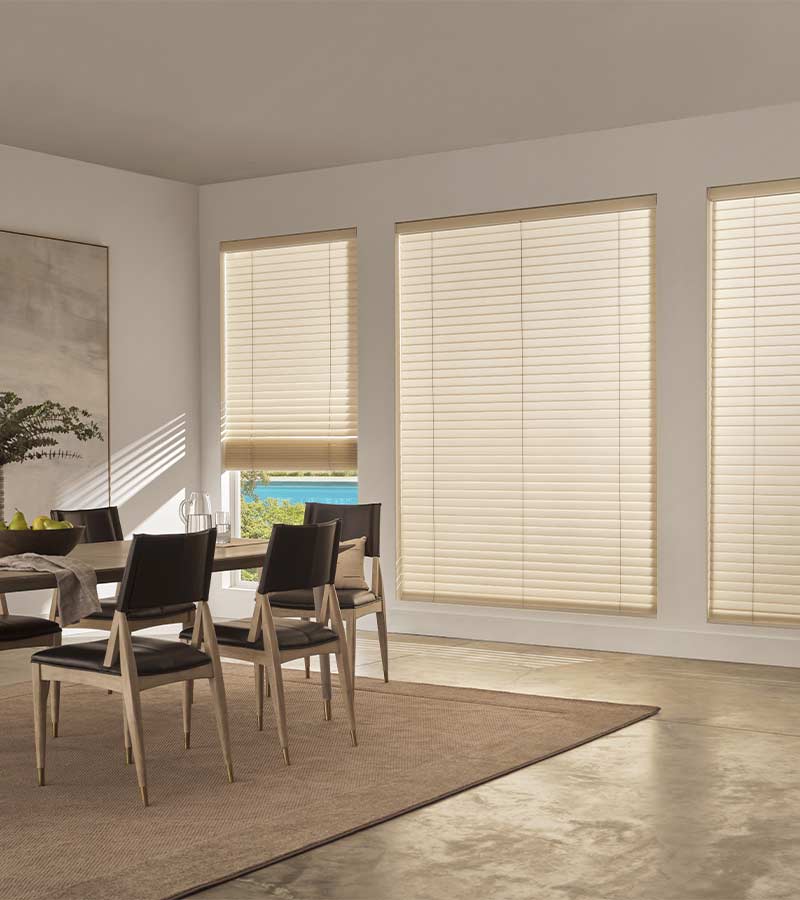
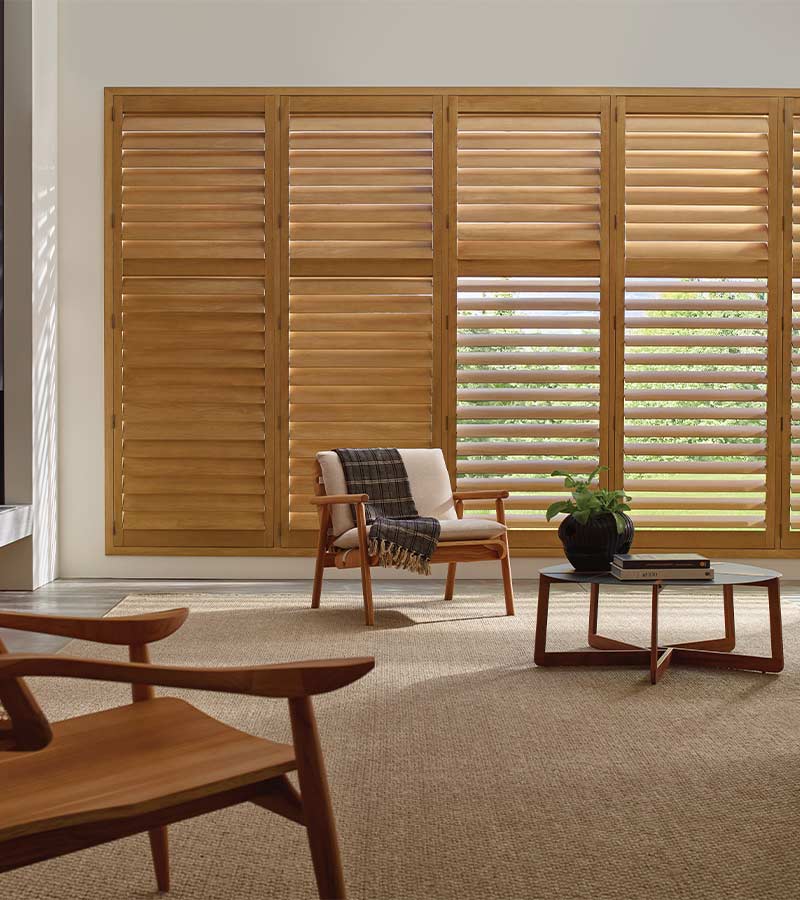
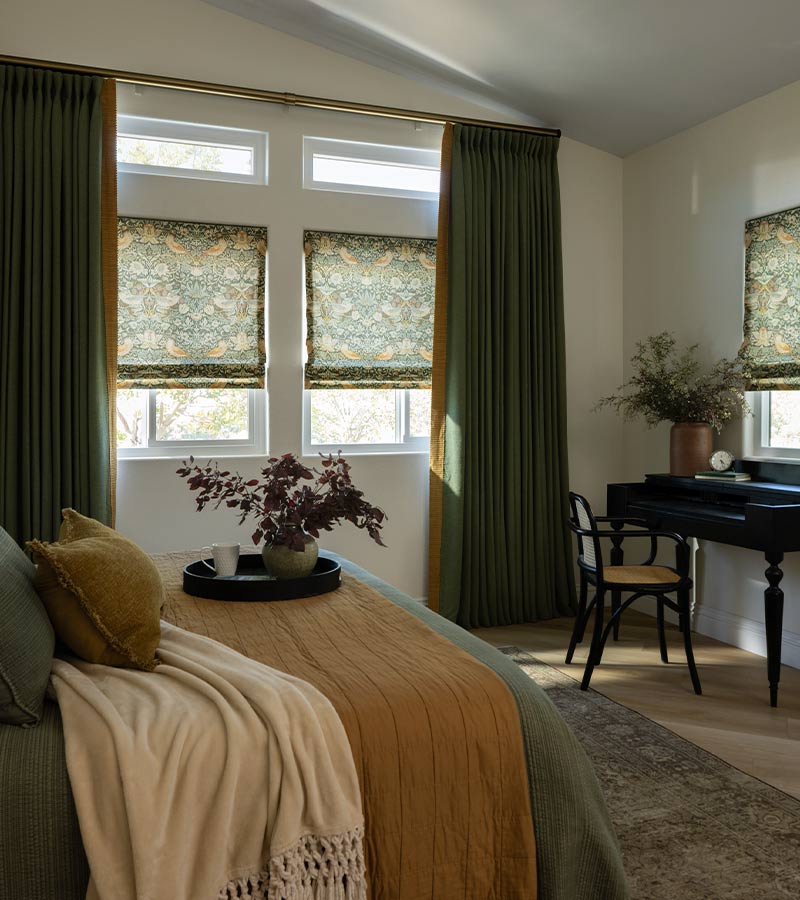
Cellular shades are particularly effective because their honeycomb-shaped cells trap air at the window, creating an insulating layer that can help reduce heat transfer. Other options, including cellular roller shades, Roman shades, shutters and custom drapery, can also help manage sunlight and improve comfort based on the window and room.
- Windows Can Affect Year-Round Comfort
- Cellular Shades Insulate the Windows
- Fabrics Offer a Barrier of Protection
- Specialty Liners and Fabrics Reduce Heat Gain
Top Questions About Energy Efficient Window Treatments
What are the best insulating window treatments for Texas heat?
Cellular shades are a strong choice when insulation is the priority because their honeycomb-shaped cells trap air at the window, creating an insulating layer that can help reduce heat transfer. Duette® Honeycomb Shades offer this cellular construction, while Sonnette® Cellular Roller Shades provide cellular insulation with the streamlined appearance of a roller shade. Other options, including Roman shades, shutters and custom drapery, can also add coverage at the window and help manage incoming sunlight. Compare your options with our guide to the Best Window Coverings for Heat, Glare & Energy Efficiency.
Do cellular shades really reduce energy costs?
Cellular shades are designed to improve insulation at the window. Their honeycomb-shaped cells trap air, creating a layer between the room and the glass that can help reduce heat transfer. This can support a more comfortable indoor environment and reduce the amount of work required from your heating and cooling system, although actual energy savings vary based on your windows, climate, shade selection and how the shades are used.
Are insulating window treatments worth it in Texas?
They can be especially useful on windows that receive intense sunlight or make certain rooms noticeably warmer during the day. The benefit depends on the window, its exposure, the window treatment and how consistently you use it. Cellular shades are a strong option when insulation is the priority because their honeycomb construction creates an insulating air layer at the window.
Does the entire window have to be covered for insulating shades to work?
Covering more of the window generally provides better insulation and sunlight control, but that doesn’t mean your shades have to remain completely closed all day. Features such as top down bottom up shades can provide flexibility by allowing natural light into the room while keeping more of the window covered. The best approach depends on the window, the amount of direct sunlight it receives and how you use the room.
Can insulating shades be motorized?
Yes. Many Hunter Douglas cellular and roller shades are compatible with PowerView® Automation, allowing you to adjust your shades with a remote, app or compatible smart home system. You can also schedule shades to adjust around times when direct sunlight typically creates more heat or glare. This can be especially useful for large or hard-to-reach windows where making manual adjustments throughout the day isn’t practical.
Which Hunter Douglas products provide insulation?
Duette® Honeycomb Shades are a leading option when insulation is the priority because their cellular construction traps air at the window to help reduce heat transfer. Sonnette® Cellular Roller Shades use cellular construction as well, combining an insulating air layer with a streamlined roller-shade appearance. Other window treatments, including Roman shades, shutters and custom drapery, can provide additional coverage and help manage sunlight, but their construction and insulating performance differ from cellular shades.
Energy Efficient Window Treatments: